🧪 Natural vs Synthetic Libido Supplements

TLDR
- Libido supplements generally fall into two categories: natural plant-based or nutrient supplements, and synthetic pharmaceutical medications.
- Natural supplements may support libido indirectly through energy, hormone balance, or circulation, but their effects are usually modest and gradual.
- Synthetic medications are designed to target specific biological mechanisms related to sexual function and often produce stronger, more predictable results.
- Safety, regulation, and evidence levels differ significantly between natural supplements and prescription treatments.
- The best approach often depends on the underlying cause of sexual difficulties and should ideally involve medical guidance.
If you start researching ways to improve libido or sexual performance, you will quickly notice two very different worlds.
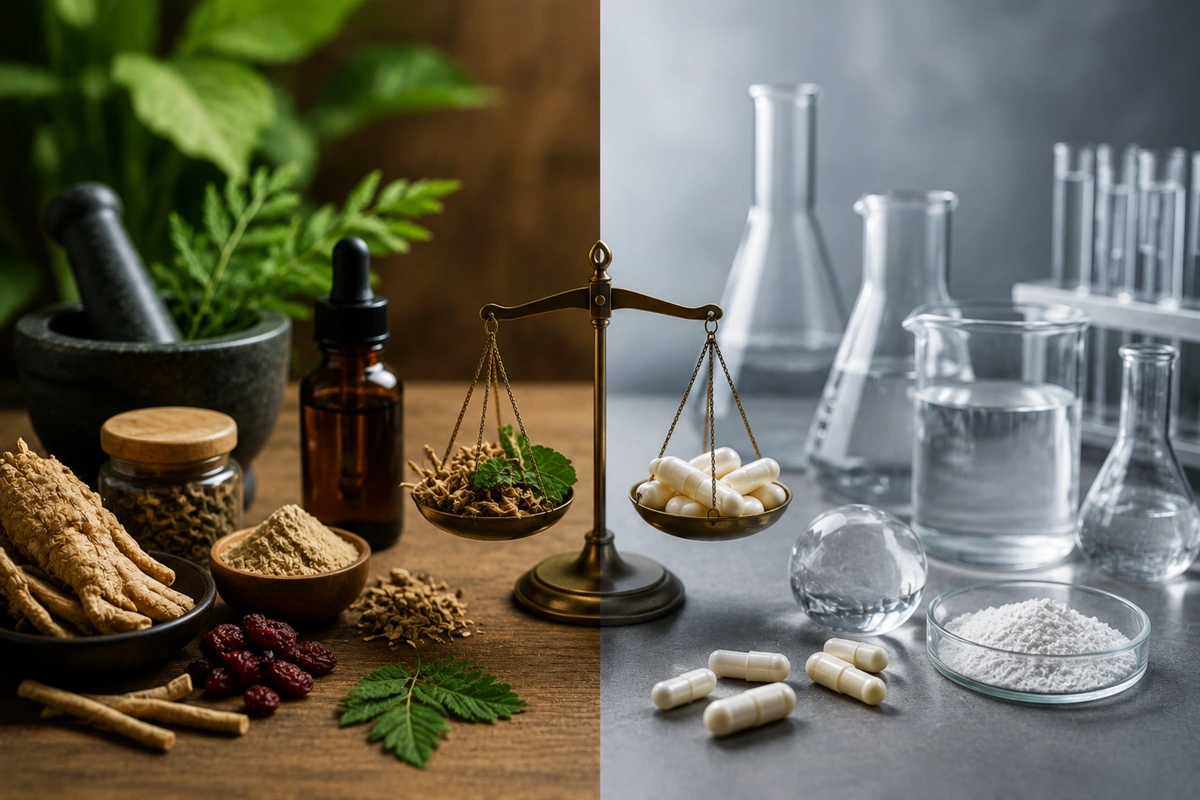
On one side, there are natural supplements made from herbs, amino acids, and nutrients. On the other, there are synthetic medications developed through pharmaceutical research.
Both categories aim to improve aspects of sexual function, but they work in very different ways. They are also regulated differently, studied differently, and used for different purposes.
For men navigating sexual development later in life, understanding the distinct dynamics of natural vs synthetic libido choices can be helpful.
It allows you to approach your personal wellness journey with realistic expectations rather than falling for exaggerated marketing promises.
Many men assume that over-the-counter formulas and synthetic medical treatments compete directly with each other. In reality, they serve entirely different roles in modern male sexual enhancement. Let’s look closely at how these paths diverge.
🌿 What Natural Libido Supplements Are
Natural libido supplements typically contain plant extracts, vitamins, minerals, or amino acids that may influence sexual health indirectly. Instead of targeting one specific biological pathway, they tend to support general physiological processes that contribute to physical well-being.
Because of this indirect mechanism, improvements from natural dietary options often appear gradually over several weeks rather than immediately. They work in the background to fortify the body’s natural systems.
Read More: To evaluate specific options that fit into this category, check out our evidence-based breakdown of the best natural supplements for male sexual health.
Many herbs have been used traditionally for centuries, but modern scientific evaluation looks closely at the exact chemical compounds involved. The main focus is on finding sustainable male sexual performance support rather than an overnight fix.
- Panax Ginseng: Heavily researched for its potential systemic effects on daily energy levels and pelvic circulation.
- Maca Root: A traditional Andean vegetable utilized to support subjective sexual desire and baseline vitality.
- Fenugreek: An aromatic culinary herb sometimes associated with maintaining healthy hormone balance.
These plant extracts do not usually act as direct sexual stimulants. Instead, they support the physical systems that influence daily function, making them a popular starting point for men who prefer a gradual approach.
🔬 What Synthetic Libido Treatments Are
Synthetic libido treatments are pharmaceutical medications developed to target specific biological mechanisms related to sexual function. Many of the best-known medications in this category are designed specifically to treat erectile dysfunction.
Unlike natural formulas, these medications are tested through highly controlled clinical trials before receiving official approval for medical distribution. This process requires clear evidence of both safety and effectiveness for specific medical conditions.
| Dynamic | Natural Supplements | Synthetic Medications |
| Primary Focus | General systemic support and overall vitality | Targeted biochemical pathway modification |
| Action Speed | Gradual accumulation over weeks | Rapid, time-limited physical response |
| Access Method | Over-the-counter retail purchase | Professional medical prescription |
Because these pharmaceutical compounds act on clearly defined biochemical pathways, their effects are often stronger and more predictable than those of plant extracts. They are engineered to produce a specific, measurable vascular response within a short timeframe.
However, they do not address underlying lifestyle gaps or psychological factors. They are strictly physical interventions designed to restore specific physiological responses when an individual requires targeted medical support.
⚖️ Differences in Regulation
One of the biggest differences between natural and synthetic libido products lies in how they are regulated by governing bodies. This structural divide impacts how products are manufactured, labeled, and sold to the public.
Pharmaceutical medications undergo extensive, multi-phase testing before they are permitted to reach the market. Clinical trials thoroughly evaluate how well they work, what specific side effects may occur, and how they interact with other compounds.
- Supplement Standards: Dietary products are regulated as food items rather than medications in many countries.
- Manufacturer Responsibility: Companies are responsible for safety, but they do not always have to prove efficacy before selling items.
- Quality Variance: The strength, purity, and actual concentration of active ingredients can vary widely between retail brands.
This regulatory reality highlights the major differences natural and synthetic libido supplements present to the consumer. Because the evidence base is different, consumers must be much more selective when reviewing labels.
📊 Differences in Evidence
Research evidence also differs dramatically between the two main categories. This variation makes it critical for men to maintain a grounded perspective when looking for reliable testosterone boosters or performance aids.
Synthetic medications usually have large, multi-center clinical trials demonstrating their exact effects on human physiology. These trials include strict placebo comparisons, standardized chemical dosing, and detailed safety monitoring protocols.
Read More: If you want to understand if your body is experiencing a genuine hormonal shift, read our analysis on whether does testosterone really decline in your 20s and 30s.
Natural products may also be studied in clinical research, but the overall scale of these studies is often smaller. The effectiveness of herbal vs pharmaceutical options can be difficult to compare because herbal data frequently varies based on the exact extract type used.
This variability is the primary reason why expectations around over-the-counter options should remain realistic. They can be helpful, but they operate on a different tier of scientific predictability than targeted prescriptions.
🥗 When Natural Supplements May Be Useful
Natural supplements can sometimes support sexual health when the underlying issue relates directly to lifestyle factors, minor nutritional gaps, or mild physiological imbalances.
For instance, certain basic minerals are completely necessary for normal human chemistry. You can read an overview regarding daily intake and systemic wellness in this guide on zinc nutrient tracking and absorption for general health.
- Fatigue Management: Supporting the body during periods of high physical exhaustion or poor sleep.
- Nutritional Support: Filling specific dietary gaps that can cause hormone levels to dip below normal parameters.
- Circulation Support: Enhancing nitric oxide pathways via amino acids like L-arginine to aid vascular relaxation.
To learn more about how specific amino acids are utilized by the body to maintain vessel health, you can look over this overview of l-arginine metabolic pathways and cardiovascular function.
These nutritional options are most effective when paired with lifestyle adjustments. Improving your sleep hygiene, eating a balanced diet, and managing daily stress will always create the foundation that supplements merely assist.
🏥 When Synthetic Treatments May Be Appropriate
Synthetic medications are typically recommended when a specific, diagnosed medical condition is actively impacting a man’s sexual function.
In these situations, a physician evaluates the individual to ensure that a pharmaceutical intervention is completely safe and appropriate. This step is necessary because prescription treatments can interact with existing cardiovascular conditions.
Read More: For guidance on how to navigate a conversation about these options with a professional, read our article on when to talk to a doctor about sexual health.
- Clear Diagnoses: Managing confirmed erectile dysfunction or complex circulatory issues.
- Metabolic Complications: Addressing performance changes tied to chronic conditions like diabetes.
- Medication Adjustments: Counteracting the physical side effects caused by other necessary prescriptions.
Because these treatments target specific biological systems directly, they provide reliable symptom relief for many men. However, they require careful medical screening to protect your long-term health.
🛡️ Safety Considerations
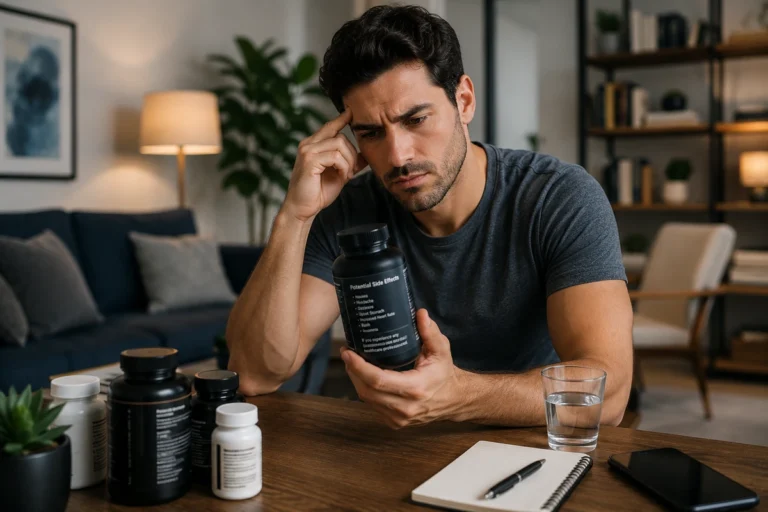
Safety should always be your top priority regardless of which path you choose. Both plant-based extracts and synthetic compounds carry distinct pros and cons libido supplements users must consider carefully.
Natural herbs can still interact powerfully with medications or existing health conditions. For example, certain ingredients that support circulation can alter blood pressure or impact how blood clots.
- Read Labels: Carefully inspect every single ingredient listed on the product packaging.
- Stick to Dosages: Never exceed the manufacturer’s or doctor’s recommended daily limits.
- Avoid Overlap: Do not mix multiple performance products together without explicit guidance.
- Seek Advice: Prioritize choosing testosterone support safely by discussing new routines with a professional.
Taking these basic precautions ensures that your efforts to improve your physical well-being remain entirely safe, responsible, and effective over the long haul.
🧠 The Psychological Factor
Male sexual health is never a purely biological equation. Psychological factors such as chronic stress, personal confidence, and emotional safety play a massive role in libido and performance.
Because of this deep connection, neither a natural herb nor a synthetic pill can completely address every single aspect of your intimate well-being. They cannot create confidence or ease interpersonal anxiety by themselves.
Read More: To explore why emotional comfort is often the most critical ingredient for your development, read our guide on why emotional safety is crucial for late sexual awakening.
Men who experience delayed development often achieve the best results by combining physical support with psychological growth. This can include specialized therapy, learning how to communicate openly with a partner, or practicing mindfulness techniques to reduce performance anxiety.
True, lasting confidence develops through personal growth and self-awareness. When you address the mental barriers alongside your physical health, you create a much more balanced approach to intimacy.
🧭 A Balanced Perspective
It can be tempting to frame natural and synthetic libido solutions as competing choices where one is inherently better than the other. In reality, they simply serve entirely different purposes.
Natural supplements often support overall well-being and can contribute to gradual improvements in physical vitality over time. Synthetic medications are highly targeted tools designed to treat specific medical conditions with rapid biological effects.
- Habits First: Neither approach can replace the fundamental value of a healthy lifestyle.
- Foundation: Prioritizing sleep, movement, and stress reduction remains completely irreplaceable.
- Patience: Building confidence is a gradual skill that requires time and self-compassion.
Understanding this broader picture allows you to approach your health much more thoughtfully. It removes the pressure to find a immediate cure-all and helps you focus on sustainable progress.
🏁 Conclusion
Natural and synthetic libido supplements operate in completely different ways. Natural options tend to support the body’s underlying systems over time, while synthetic medications target specific biological mechanisms involved in sexual function for immediate relief.
Because of these core differences, their scientific evidence base, government regulation, and typical use cases vary substantially as well. There is no one-size-fits-all answer for male sexual enhancement.
For many men, especially those who are navigating a late sexual awakening in men, the most effective strategy involves understanding all these options rather than relying blindly on quick fixes.
Building your overall physical health, addressing psychological factors, and using evidence-based tools when appropriate creates a sustainable, healthy path toward sexual well-being.
Approach your growth with patience, stay curious, and prioritize your long-term safety above all else.