

🏹 Why Some Men Don’t Discover Desire Until Emotional Safety Exists

TLDR
- Emotional safety acts as a biological “permission slip” for sexual desire to activate.
- Responsive desire means that connection must often precede physical arousal.
- High cortisol from stress and lack of trust are primary psychological factors in low libido.
- Men with insecure attachment styles may require significant trust before feeling desire.
- Creating a safe environment is the most effective way to trigger adult sexual growth.
There is a quiet experience many men do not talk about openly: not feeling strong sexual desire until they feel emotionally safe with someone. It can be confusing, especially when the cultural narrative suggests that men should be instantly driven by physical attraction alone.
This creates a severe disconnect between expectation and reality, often leading to unnecessary shame and the feeling that one is “broken.”
If you have ever found yourself needing trust, comfort, or emotional closeness before desire even shows up, you are not alone. This pattern is well-documented in sexual health research, even if it is rarely discussed in everyday conversation. For many, emotional safety libido is the primary driver of intimacy.
Let’s unpack what is actually happening here, why it occurs, and what it means for your adult sexual growth moving forward.
🚀 Sexual Desire Is Not One-Size-Fits-All
A useful place to start is understanding that sexual desire does not work the same way for everyone. While some men experience spontaneous desire, meaning it appears quickly and without much emotional context, others experience what is called responsive desire.
In the responsive model, desire does not lead the interaction: it follows it. You do not feel desire first and then connect. You connect first, and desire gradually comes online. That distinction alone clears up a lot of confusion for men experiencing adult sexual awakening triggers.
The Two Pathways to Desire
- Spontaneous Pathway: Driven by visual cues, high testosterone, and immediate physical attraction.
- Responsive Pathway: Driven by comfort, shared vulnerability, and a sense of being seen.
For those in the second category, the “spark” is not a bolt of lightning; it is a slow-burning fire that requires the right fuel: specifically, the fuel of emotional security.
Read also: Why Sexual Confidence Develops Later for Some Men
🛡️ The Role of Emotional Safety
Emotional safety is not just a vague idea. It has very real psychological and physiological effects. When you feel safe with someone, your nervous system shifts out of a defensive state (Sympathetic) and into a state of rest and connection (Parasympathetic).
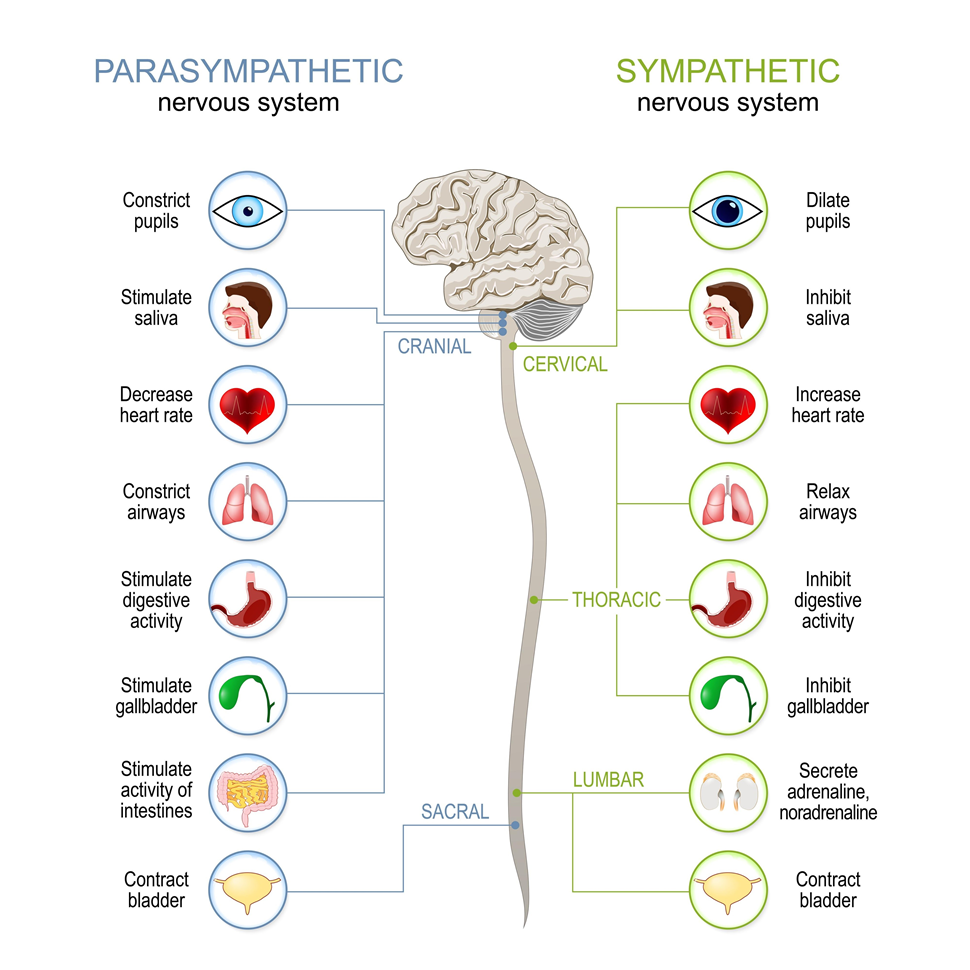
Without that safety, your brain is more focused on monitoring risk than on experiencing pleasure. Even if you are physically attracted to someone, your body might not cooperate because it does not feel secure.
Research regarding psychological factors adult libido shows that when the brain senses a threat, whether that is the threat of judgment, rejection, or performance failure, it hits the “brakes” on sexual arousal.
The Safety Assessment Checklist
| Element of Safety | What it looks like | Impact on Desire |
| Non-Judgment | Knowing you won’t be rejected for being a late bloomer. | Lowers performance anxiety. |
| Acceptance | Feeling valued as you are, without having to perform a “role.” | Increases vulnerability. |
| Boundaries | Trusting that your “No” is always respected and heard. | Removes the fear of losing control. |
| Open Comms | Being able to talk about sexual fears without being mocked. | Builds the bridge to desire. |
🧠 Attachment Style and Its Influence
Attachment theory offers a useful lens for understanding adult sexual growth. The way you learned to relate to others emotionally, often shaped in early life, can strongly affect how and when you experience desire.
Men with more anxious or avoidant attachment patterns may find that desire is either delayed or tied closely to emotional conditions.
For example, an anxious attachment style may manifest as a constant need for reassurance, where the body refuses to “relax” into desire until it is certain the partner is fully present. According to Healthdirect’s guide on loss of male libido, persistent psychological stress, including the stress of insecure attachment, is a major contributor to a suppressed sex drive.
Read also: How Early Life Conditioning Shapes Adult Sexual Behavior
📉 Stress and the Shutdown of Desire: Myth vs. Reality
MYTH: Men are biological machines that are always ready for sex regardless of their mood or stress levels.
REALITY: High cortisol is a biological libido killer. When you are stressed about work or finances, your brain prioritizes survival-related processes. Sexual arousal becomes less important biologically, so it gets dialed down.
In these conditions, men needing emotional security for sexual desire becomes a biological necessity. Safety acts as a counterbalance, helping your body shift out of “stress mode” and into a state where desire can exist.
As noted in the Mayo Clinic’s research on low sex drive in men, psychological causes such as anxiety, depression, and stress are often the primary drivers behind a reduced desire for intimacy.
⏳ Past Experiences and Sexual Confidence
Sexual development does not happen in a vacuum. Past experiences shape how your body responds to intimacy. If your early experiences with attraction or dating involved confusion, rejection, or embarrassment, your system may have learned to associate sexual situations with discomfort rather than pleasure.
This is a common factor in sexual confidence late development. It does not mean you are damaged: it simply means your body learned to be cautious. In practical terms, this can look like:
- Needing more time to feel comfortable with a partner.
- Feeling disconnected from desire in the early stages of dating.
- Experiencing desire only in emotionally secure relationships.
Read also: Rebuilding Sexual Identity After Years of Suppression
🎨 Attraction vs. Desire: The Slow Burn
One subtle but important distinction is the difference between attraction and desire. You can find someone attractive without feeling immediate sexual desire. Attraction is often visual or intellectual. Desire is physiological and emotional.
For men who need emotional safety, attraction might come first, followed by curiosity, then comfort, and only later, desire. This sequence can feel “slow” compared to common expectations, but it is a valid and functional pathway for a safe environment for male sexual growth.
🤝 Practical Ways to Create Emotional Safety
If you recognize yourself in this pattern, the goal is not to force desire, but to create the conditions where it can develop naturally.
- Take pressure off performance: Focus on physical touch that has no “end goal.”
- Allow intimacy to develop at a comfortable pace: Do not feel obligated to hit milestones on a “normal” timeline.
- Focus on presence: Use mindfulness and somatic techniques to stay in your body rather than worrying about the future.
- Communicate your needs: Tell your partner that you value emotional connection as a precursor to physical intensity.
Read also: Why Emotional Safety is Crucial for Late Sexual Awakening
🏁 Why This Pattern Is Often Misunderstood
The societal expectation that men are purely visual and spontaneous in their desire creates a “shame cycle.” When a man realizes he requires a safe environment for male sexual growth, he may feel less masculine. However, a significant portion of the male population experiences desire responsively.
When we shift the conversation to include adult sexual awakening triggers like vulnerability and trust, we allow men to stop fighting their own biology. By acknowledging that your libido is tied to your sense of safety, you can stop asking “what is wrong with me?” and start asking “what do I need to feel safe?”
🌟 Conclusion
Discovering that your desire depends on emotional safety can feel frustrating at first, especially if you have been comparing yourself to unrealistic expectations. But once you understand how your system works, it becomes less of a limitation and more of a guide.
You are not “behind”: you are simply wired for connection first and desire second. When those conditions are right, desire shows up on its own terms, often stronger and more grounded than you expected. This path frequently leads to more meaningful and sustainable intimacy.